 Known to be toxic - Toxic to livestock and cats if ingested.
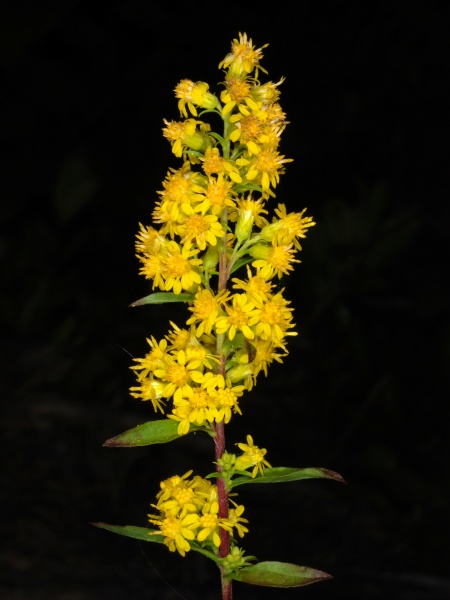
Source: Douglas Goldman

Solidago puberula
Downy Goldenrod
Verge d'or pubérulente
Synonyms
short pubescent goldenrod
solidage pubérulente
No seeds available for this plant.
We currently accept seeds for this plant
Bloom Colour: Yellow
Bloom Period: Aug - Oct
Max Height: 2.0 feet
Max Width: 2.0 feet (spreads by rhizome)
Light Condition:
 More than 6 hours of direct sun a day
 More than 2 or 3 hours but less than 6 hours of direct sun a day
Soil conditions:
More than 2 or 3 hours but less than 6 hours of direct sun a day
Soil conditions:
 Tolerates dry soil condition
 Tolerates medium soil condition
More than 6 hours of direct sun a day
More than 2 or 3 hours but less than 6 hours of direct sun a day
Tolerates dry soil condition
Tolerates medium soil condition
Lifespan:
Perennial
plants that will that come back year after year
Gardener Experience:
 Easy to germinate
 Self-seeding
Easy to germinate
Self-seeding
Landscape Uses:
 Suitable for container garden
 Suitable for school gardens
Suitable for container garden
Suitable for school gardens
Ecological Benefits:
 Supports pollinators
 Butterfly host
Supports pollinators
Butterfly host
Tolerates:
 Deer resistant
 Rabbit resistant
 Tolerates juglone conditions
 Tolerates transplantation
Deer resistant
Rabbit resistant
Tolerates juglone conditions
Tolerates transplantation
Special Features and Considerations:
 This plant is endangered
 This plant causes skin rashes
This plant is endangered
This plant causes skin rashes
Plant Location
Native to Ottawa region: Yes
Distribution according to VASCAN
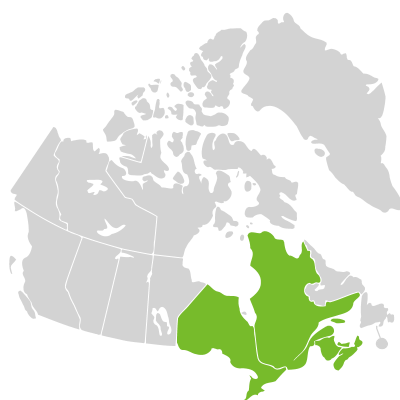
Ephemeral
Native
Introduced
Excluded
Extirpated
Doubtful
Absent
 Canadensis

Thrives in Ecozones
- Atlantic Maritime
- Mixed Wood Plains
Ecological Benefits
Butterflies Supported by Solidago puberula
- Cucullia convexipennis (Brown Hooded Owlet)
- Eupithecia miserulata (American Common Pug)
- Euplexia benesimilis (American Angle Shades)
- Leuconycta diphteroides (Green Leuconycta)
- Melanchra adjuncta (Hitched Arches)
- Phragmatobia fuliginosa (Ruby Tiger)
- Trichordestra legitima (Striped Garden Caterpillar)
Specialized Bees Supported by Solidago puberula
- Andrena aliciae
- Andrena asteris
- Andrena canadensis
- Andrena chromotricha
- Andrena hirticincta
- Andrena nubecula
- Andrena placata
- Andrena simplex
- Complexe Colletes americanus
- Complexe Colletes compactus
- Complexe Colletes simulans
- Dianthidium simile
- Megachile inimica
- Melissodes agilis
- Melissodes illatus
- Melissodes trinodis
- Protandrena andrenoides
- Pseudopanurgus aestivalis
Plants that grow in similar conditions, that bloom at the same time.
Complementary Plants
- No complementary plants found.
Substitute For Non-Native Plants
- Oenothera (Non-Native Primrose)
- Oenothera biennis (Evening Primrose Cultivars)
- Oenothera fructicosa (Sundrops Cultivars)
- Helianthus (Non-Native Sunflower)
- NA (Black Eyed Susan's Cultivars)
- Rudbeckia Triloba (Brown Eyed Susan's)
- Echinacea (Coneflowers)
- NA (Coreopsis cultivars)
- Helianthus).1 (Non-Native Sunflower)
- NA (Non-Native False Sunflower)
Sowing Information
Download Seed Envelope Labels (PDF)
- Sowing depth: Surface sow
- Sow by February
- Stratification duration: 60 days
- Self-seeding
Harvesting and Seed Sharing
- Harvest start month: October
- Harvesting indicator:
- Seeds have become fluffy and can be easily removed by shaking on gently pulling off from stem
- Harvesting:
- Shake seed head in paper bag
- Seed viability test:
- No test needed before donating
- Packaging measure: 1 rounded 1/4 teaspoon
- Seed storage:
- Air dry in paper bag or open container, for a few days until crisp, shaking seeds to move them once in a while to prevent molding
- Cultivar: No, you can donate without knowing the source as there are only straight species
- No harvesting video available at this time.
Toxicity Notes
Toxic to livestock and cats if ingested.